

Greenwood Village is one of the Denver metro's most affluent communities, with approximately 6,000 households across 8.2 square miles of Arapahoe County. Homes here feature premium roofing materials: concrete tile, clay tile, cedar shake, slate, and high-end architectural shingles. These materials perform well under normal conditions but face the same Front Range threats as every other south metro community: hail, intense UV, freeze-thaw cycles, and thunderstorm winds. The difference in Greenwood Village is the cost of damage. When hail cracks a concrete tile roof on a $1.5 million home, the financial stakes are higher. This guide covers the specific storm threats, damage patterns, and recovery steps relevant to Greenwood Village homeowners.
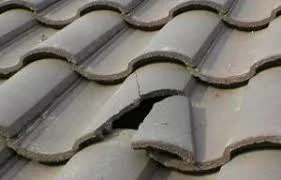
Storm damage on your Greenwood Village roof? Act now.
Call Mighty Dog Roofing of Downtown Denver at (720) 702-1572 for a free storm damage inspection.
Visit our Greenwood Village service page or contact us online.
Storm Threats Specific to Greenwood Village
Hail in the South Metro Corridor
Greenwood Village sits in the Front Range hail corridor. Supercell thunderstorms that form along the mountains track east and southeast across the Denver metro. Arapahoe County is one of the most hail-impacted counties in the state. The National Weather Service in Boulder monitors these events throughout the peak season from April through July, with damaging storms possible into September.
Colorado experienced a record-breaking hail year in 2023, with nearly 800 reports of hail over one inch. Reports of baseball-sized hail (over three inches) surged nearly threefold since 2019. The May 2024 hailstorm caused an estimated $1.9 billion in damage across the Denver metro, making it the second costliest storm in state history. At Colorado's altitude, thinner air allows hailstones to maintain higher velocity during their fall, increasing the force of each impact on your roofing material.
How Hail Damages Different Premium Roofing Materials
| Material | How Hail Damages It | Inspection Method | Typical Repair Approach |
|---|---|---|---|
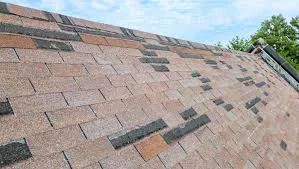
| Asphalt Shingles | Dislodges granules, fractures mat | Look for round impact marks, soft spots | Section replacement with matching product |
| Concrete Tile | Chips edges, cracks individual tiles | Tap test for hidden fractures | Individual tile replacement with matching profile |
| Clay Tile | Shatters thinner sections | Visual and tap test | Individual tile replacement, color matching |
| Cedar Shake | Splits wood along the grain | Check for splits not visible from surface | Weave new shakes into existing pattern |
| Natural Slate | Chips edges, fractures thin slates | Tap test, visual edge inspection | Individual slate replacement from matching source |
| Standing Seam Metal | Dents panels, damages seam sealant | Visual dent inspection, sealant check | Panel replacement or dent repair with sealant |
Hail damage is tested against UL 2218 standards for impact resistance. A contractor experienced in all material types provides the most thorough assessment. Mighty Dog Roofing of Downtown Denver inspects for damage specific to your roofing material using the appropriate method.
Wind Damage on Greenwood Village Properties
Greenwood Village's rolling hills and open areas along the I-25 corridor create wind exposure during thunderstorms. Straight-line winds during summer storms regularly exceed 50 mph across the south metro. On Greenwood Village homes with complex rooflines, ridge caps and flashing at multiple intersections are vulnerable to wind force. A 6,000-square-foot roof with three ridgelines and eight valleys presents more wind-vulnerable points than a simple ranch.
Wind drives rain under lifted shingles, cracked tiles, and gaps in flashing. On homes with finished attics, custom millwork, and high-end interior finishes, water from wind-driven rain causes expensive interior damage. Properties near Cherry Creek State Park and along the High Line Canal experience additional debris risk from mature tree canopies during wind events. Schedule a free roof inspection after any significant wind event.
Freeze-Thaw and Ice Dam Damage
Greenwood Village winters bring dozens of freeze-thaw cycles. Snow, partial melting during sunny 50-degree winter days, and overnight refreezing stress every roofing material. Ice dams form at eaves, dormers, valleys, and any transition where a cold edge meets a warmer upper roof. Complex Greenwood Village rooflines with multiple dormers, varying pitches, and numerous intersections create many potential ice dam locations. The U.S. Department of Energy identifies proper insulation and ventilation as the primary defenses against ice dam formation.
The Greenwood Village building code requires ice and water membrane at all eaves extending two feet past the exterior wall line. Homes built or re-roofed to current code have this protection. Older installations without adequate ice barrier at the eaves are more vulnerable during heavy ice dam events.
Do not wait for a leak to tell you about storm damage.
Call (720) 702-1572 or visit our Greenwood Village service page to schedule your free inspection.
Contact us by phone, email, or through our website.
What to Do After a Storm Hits Your Greenwood Village Home
Step 1: Document All Visible Damage
Walk your property and photograph every sign of damage. Check gutters, downspouts, outdoor AC units, cars, and deck surfaces for dents and impact marks. On tile and shake roofs, look for pieces on the ground. Inside, check ceilings for water stains near exterior walls and below roof penetrations. Do not climb onto your roof.
Step 2: Call a Contractor Experienced with Premium Materials
Contact Mighty Dog Roofing of Downtown Denver at (720) 702-1572 for a free storm damage inspection. We assess damage specific to your roofing material, photograph all findings, and provide a written report for your insurance claim. Our inspectors are trained on tile, shake, slate, metal, and shingle damage patterns.
Step 3: File Your Insurance Claim
Contact your insurer, provide storm details and your damage observations, and note your claim number. Share your professional inspection report with the adjuster. The Colorado Division of Insurance provides resources for homeowners filing weather-related claims.
Step 4: Attend the Adjuster Visit with Your Contractor
We meet adjusters at your Greenwood Village property to ensure all damage is identified. On premium material roofs, adjusters sometimes underestimate replacement costs by using standard asphalt shingle pricing instead of the actual cost for tile, shake, or slate. Having a knowledgeable contractor present ensures accurate documentation and fair claim valuation.
Step 5: Review and Begin Repairs
Once approved, we review the scope, identify supplemental items, and coordinate with your insurer. Work begins once you approve the plan. For full replacements, visit our roof replacement page.
Insurance Considerations for Greenwood Village Homeowners
High-Value Home Deductibles
Many Colorado policies use percentage-based deductibles for wind and hail. On a Greenwood Village home insured for $1.5 million, a two percent deductible means $30,000 out of pocket. On a $2.5 million home, the amount reaches $50,000. Review your policy annually and understand this number before storm season.
Premium Material Replacement Costs in Claims
Insurance claims on Greenwood Village homes must reflect the actual cost of matching premium materials. Replacing cracked concrete tiles costs more per square than replacing asphalt shingles. Cedar shake replacement requires material matching and skilled installation. Slate repairs involve sourcing matching stone. Your contractor's documentation must specify the exact material type, source, and cost. Generic per-square pricing undervalues premium roof claims.
Avoid Storm Chasers on High-Value Properties
Storm chasers target Greenwood Village after hail events because of the high property values and large roof areas. Their inexperience with premium materials creates costly problems. An improperly installed concrete tile comes loose in the next wind event. A mismatched cedar shake replacement stands out visually. A poorly executed flashing repair on a complex roofline leaks within months. Work with a licensed, insured, local contractor who has documented experience with your specific roofing material.
Building a Long-Term Storm Protection Strategy for Your Greenwood Village Home
Upgrade Materials When You Replace
If storm damage triggers a replacement, upgrade to materials that resist future damage. Class 4 impact-resistant shingles, synthetic shake, or impact-rated tile reduce your exposure to the next hail event. Insurance discounts of 15 to 28 percent offset the higher material cost. See our residential roofing page for material options.
Address Ventilation and Insulation
Proper attic ventilation and insulation at the EPA ENERGY STAR recommended R-49 prevent ice dam formation. On large Greenwood Village homes with complex rooflines, each attic section needs individually calculated ventilation. This investment eliminates recurring ice dam damage and lowers energy costs year-round.
Schedule Annual Professional Inspections
An annual professional inspection catches small problems before they become expensive failures. On a Greenwood Village home with a large, complex roof, the number of potential failure points makes annual inspection especially valuable. The best times are late March (before hail season) and late October (before winter freeze-thaw).
Maintain a Comprehensive Documentation File
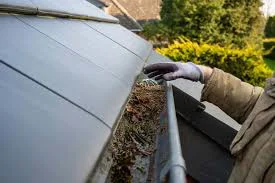
On a $1.5 million home, thorough documentation speeds insurance claims and proves pre-damage condition. Keep the installation date, material specifications, warranty documents, permit records, inspection reports (including both mid-roof and final), and photographs of the roof in good condition. Maintain records of your gutter system maintenance as well.
Frequently Asked Questions: Storm Damage in Greenwood Village, CO
How does hail damage differ on premium roofing materials?
Asphalt shows round bruise marks. Concrete tile chips or cracks. Clay tile shatters at thin sections. Cedar shake splits along the grain. Slate chips at edges. Metal dents and loses sealant at seams. Each material requires a different inspection method and repair approach.
What should I do immediately after a storm?
Document damage with ground-level photos. Check gutters, AC units, and cars for dents. Do not climb on your roof. Call a licensed contractor experienced with your material type. File your insurance claim promptly. Have your contractor present when the adjuster visits.
Why are insurance claims higher on Greenwood Village homes?
Premium materials cost more to repair or replace. A concrete tile replacement on a 6,000 square foot home costs $25,000 to $50,000 versus $15,000 to $30,000 for Class 4 asphalt. Claims must reflect actual material costs, not generic pricing.
How much is my deductible for hail damage?
Many Colorado policies use percentage-based deductibles. On a $1.5 million home, a two percent deductible means $30,000 out of pocket. On a $2.5 million home, it reaches $50,000. Review your policy annually before storm season.
Why should I avoid storm chasers?
Storm chasers target Greenwood Village for the high property values. Their inexperience with premium materials creates problems: tiles come loose, shake mismatches stand out, and flashing leaks within months. Work with a licensed, local contractor experienced with your specific material.
Protect your Greenwood Village home before the next storm.
Call Mighty Dog Roofing of Downtown Denver at (720) 702-1572
Visit mightydogroofing.com
Reach us by phone, email, or through our online contact form. We are here to help.
Greenwood Village homes carry premium roofing materials and premium price tags. Storm damage on these properties demands a contractor who understands both. Contact Mighty Dog Roofing of Downtown Denver today. We serve homeowners across all 35 Greenwood Village neighborhoods, from The Preserve to Orchard Hills, from Greenwood Hills to Belleview Village West. Your roof is our priority.