

Lakewood is Colorado's 5th most populous city with 156,000 residents across 43 square miles in Jefferson County. The city sits at the foothills-to-plains transition, stretching from the high plains to the 6,854-foot Green Mountain mesa. This position makes Lakewood the first major city storms hit after exiting the mountains. The May 2017 supercell proved this in devastating fashion: the storm formed over the foothills, descended directly into Lakewood with baseball-sized hail, and caused $2.3 billion in metro-wide losses. Understanding Lakewood's storm exposure, identifying damage, and recovering under the city's streamlined codes protects your home and your investment.
Storm damage on your Lakewood roof? Act now.
Call Mighty Dog Roofing of Downtown Denver at (720) 702-1572 for a free storm damage inspection.
Visit our Lakewood service page or contact us online.
The 2017 Supercell: Lakewood's Defining Storm Event
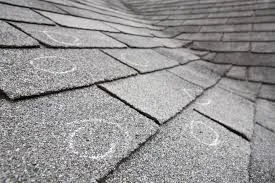
On May 8, 2017, a massive supercell formed over the foothills west of Lakewood. It descended directly into the city, producing baseball-sized hail that destroyed thousands of roofs across Lakewood's 43 square miles. The storm tracked northeast through Wheat Ridge, Arvada, and Thornton, causing over $2.3 billion in metro-wide insured losses. Lakewood took the initial and most intense hit. The National Weather Service in Boulder classified the event as one of the most damaging hailstorms in Colorado history.
Colorado saw nearly 800 reports of hail over one inch during the 2023 water year. Reports of baseball-sized hail surged nearly threefold since 2019. The May 2024 storm caused $1.9 billion in additional metro-wide damage. Lakewood's foothills-to-plains transition position means the city catches storms at their most intense phase. Hail resistance is tested against UL 2218 standards.
Types of Storm Damage on Lakewood Roofs
| Threat | How It Damages Your Roof | Lakewood-Specific Factor |
|---|---|---|
| Hail | Dislodges granules, fractures mat, cracks shingles | Ground zero for 2017 supercell. Foothills transition intensifies storms. |
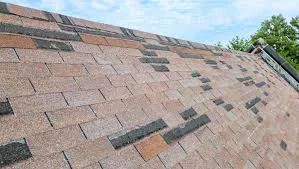
| Wind | Lifts tabs, tears ridge caps, drives rain under gaps | Green Mountain channels wind. US-6 and Bear Creek corridors. |
| UV radiation | Degrades granules, dries asphalt, cracks sealant | 20% more intense at elevation. 300+ sunny days/year. |
| Thermal cycling | Expands/contracts materials, loosens sealant | Plains-to-foothills elevation changes create variable microclimates. |
| Heavy rain | Overwhelms gutters, pools at penetrations | Summer thunderstorms intensify over foothills transition. |
The U.S. Department of Energy recommends proper ventilation and insulation to reduce moisture stress from thermal cycling. Products certified by the Cool Roof Rating Council resist UV degradation at altitude.
Do not wait for a leak to tell you about storm damage.
Call (720) 702-1572 or visit our Lakewood service page to schedule your free inspection.
Contact us by phone, email, or through our website.
What to Do After a Storm Hits Your Lakewood Home
Step 1: Document Damage from the Ground
Walk your property and photograph every sign of damage. Check gutters, AC units, cars, siding, and interior ceilings. Do not climb on your roof.
Step 2: Call a Licensed Lakewood Contractor
Contact Mighty Dog Roofing of Downtown Denver at (720) 702-1572. We assess damage and provide a written report. Schedule a free inspection at any time.
Step 3: File Your Insurance Claim
The Colorado Division of Insurance provides resources for homeowners. Share your inspection report with the adjuster. Lakewood's streamlined code (no ice shield, no mid-roof for asphalt) affects claim scope differently than neighboring cities.
Step 4: Meet the Adjuster with Your Contractor
We meet adjusters at your Lakewood property. Claims must reflect Lakewood's specific code requirements. The Lakewood Building Division confirms requirements through eTRAKiT.
Step 5: Review and Begin Work
Once approved, we file the permit through eTRAKiT and schedule the work. For full replacements, visit our roof replacement page. Our residential roofing page covers full service details.
Insurance Tips for Lakewood Homeowners
On Lakewood homes valued near $590,000, a two percent deductible means roughly $11,800 out of pocket. Lakewood's streamlined code means claims reflect a different scope than cities requiring ice shield and mid-roof inspections. Class 4 shingles reduce premiums 15 to 28 percent. The EPA ENERGY STAR program recommends R-49 insulation for Climate Zone 5.
Avoiding Storm Chasers in Lakewood
Lakewood's 156,000 residents and 43 square miles represent the largest housing stock in this series. The 2017 supercell's notoriety attracts out-of-state contractors after every hail event. Lakewood's streamlined code (no mid-roof for asphalt) means less city oversight during installation. Contractor quality matters more here. Storm chasers use cheap materials, skip proper flashing replacement, and leave before problems surface. Mighty Dog Roofing of Downtown Denver is licensed, insured, and local. We handle gutter repair and installation as part of complete projects.
Long-Term Storm Protection for Lakewood
Upgrade to Class 4 When You Replace
The 2017 supercell proved what happens to standard materials. Insurance discounts of 15 to 28 percent offset the cost.
Add Optional Ice Protection
Lakewood exempts both ice and water shield and ice barrier. Post-1970s homes with original ventilation benefit from the voluntary upgrade.
Schedule Annual Inspections
Late March before hail season and late October before winter. Maintain documentation for insurance purposes.

Lakewood Neighborhoods Most Exposed to Storm Damage
Applewood and the western foothills-adjacent neighborhoods face the earliest storm impacts as supercells descend from the mountains. Green Mountain area homes face elevated wind and hail from multiple directions. Eiber, Morse Park, and the Colfax corridor face direct northeast-tracking storms. Belmar and Two Creeks sit in the central corridor path. Bear Creek and Carmody face combined wind and drainage exposure. The Denver Federal Center area faces open-terrain wind exposure from the south and west.
Frequently Asked Questions: Storm Damage in Lakewood, CO
How bad was the 2017 supercell?
Lakewood was ground zero. Baseball-sized hail. $2.3 billion in metro-wide losses. Thousands of roofs damaged or destroyed in a single event.
What should I do after a storm?
Document damage from the ground. Call a licensed contractor. File your claim. Have your contractor present for the adjuster visit.
Why does Lakewood face severe hail?
Foothills-to-plains transition intensifies storms. The city catches them at peak intensity. Jefferson County is one of Colorado's most hail-impacted counties.
Why do storm chasers target Lakewood?
156,000 residents across 43 square miles. Recurring hail. Streamlined code means less mid-project oversight. Contractor quality matters more.
Are post-1970s homes more vulnerable?
Yes. Homes from 1969-1980 are 45-55+ years old with cumulative hail damage and original 1970s ventilation compounding the problem.
Protect your Lakewood home before the next supercell. Get your free inspection today.
Call Mighty Dog Roofing of Downtown Denver at (720) 702-1572
Visit mightydogroofing.com
Reach us by phone, email, or through our online contact form. We are here to help.
Lakewood took the 2017 supercell first and will take the next one first. The homeowners who prepare now fare best. Contact Mighty Dog Roofing of Downtown Denver today. We serve every Lakewood neighborhood across all 43 square miles, from Applewood to Bear Creek, from Green Mountain to the Colfax corridor.