
Thornton, CO sits at the center of one of the most active severe weather corridors in the United States. The Denver metro area's Front Range location puts your roof in the direct path of hailstorms, straight-line winds, winter blizzards, and intense summer thunderstorms. Understanding these threats, knowing how to identify damage, and acting quickly after a storm are the keys to protecting your home and keeping repair costs manageable. This guide covers every type of storm damage Thornton roofs face and tells you exactly what to do when severe weather strikes your neighborhood.
Storm damage on your Thornton roof? Act now.
Call Mighty Dog Roofing of Downtown Denver at (720) 702-1572 for a free storm damage inspection.
Visit our Thornton service page or contact us online.
Why Thornton, CO Gets Hit So Hard by Severe Storms
Thornton's Location in Colorado's Hail Alley
The Denver metro area sits in what meteorologists call "Hail Alley." Warm, moist air from the Gulf of Mexico collides with cold, dry air masses from the Rocky Mountains. The collision zone runs right along the Front Range from Castle Rock north through Westminster and Thornton. The National Weather Service in Boulder tracks these events and issues warnings when supercells develop. Doppler radar has detected hail at or near Thornton over 100 times in recent years. Peak hail season runs from April through July, with damaging storms possible into September.
Wind Patterns Along the I-25 Corridor
Thornton sits along the I-25 corridor, which funnels wind between the mountains to the west and the plains to the east. Open terrain in North Thornton, especially around the newer developments near 144th and 168th Avenues, creates higher wind exposure than the more sheltered southern neighborhoods. Homes in Lewis Pointe, Amber Creek, and Heritage Todd Creek face some of the strongest sustained winds in the city.
Freeze-Thaw Cycles and Winter Storm Threats
Thornton's winters bring a pattern especially hard on roofs. Heavy snowfall, then a few days of 50-degree sunshine, then overnight refreezing. This cycle repeats from November through March. Each cycle stresses roofing materials. Water seeps into tiny cracks during the melt phase and expands when it freezes. The U.S. Department of Energy identifies proper insulation and ventilation as the primary defenses against ice dam formation caused by these freeze-thaw cycles.
Types of Storm Damage to Thornton Roofs
Hail Damage to Asphalt Shingles in Thornton
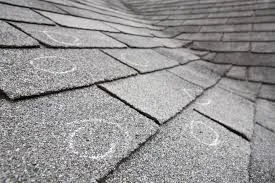
Hail damage takes several forms. Direct hits dislodge the protective granule layer, exposing the asphalt mat beneath. Larger hailstones fracture shingles, creating cracks that allow water penetration. Severe impacts punch through the shingle entirely. At Colorado's altitude, thinner air allows hailstones to maintain higher velocity during their fall, increasing the force of impact. The UL 2218 standard rates shingle impact resistance on a Class 1-4 scale.
Neighborhoods across Thornton are affected. The damage pattern depends on hail size, wind direction, and roof orientation. West-facing and south-facing slopes often take the worst hits because storms typically move from west to east or southwest to northeast along the Front Range.
Wind Damage to Thornton Roofing Systems
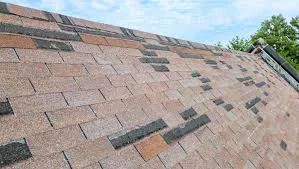
High winds damage roofs in multiple ways. They lift shingle tabs, breaking the adhesive seal that holds them flat. Once a tab lifts, the next gust tears it off entirely. Wind also drives rain under lifted shingles, soaking the underlayment and deck. Ridge caps, which sit at the peak of your roof, are especially vulnerable because they catch wind from both sides. Flashing around chimneys, vent pipes, and wall junctions loosens under wind pressure.
Ice Dam Damage on Thornton Homes
Ice dams form when heat escaping from your attic melts snow on the upper roof. The meltwater flows downhill to the colder eaves, where it refreezes and builds a dam. Water pools behind the dam and has nowhere to go but under your shingles and into your home. Ranch-style homes in Woodglen, Brookshire, Briar Ridge, and Deer Run are at higher risk because of lower roof pitches and older ventilation systems. Schedule a free roof inspection to assess your ice dam risk before winter.
Storm Damage Indicators: What to Check After a Thornton Storm
| Where to Check | What to Look For | What It Indicates |
|---|---|---|
| Gutters and downspouts | Dents, dings, granule buildup | Hail impacted your property at roof level |
| Outdoor AC unit | Dented fins, damaged housing | Hail hit with enough force to damage shingles |
| Cars and mailboxes | Dents, chipped paint | Confirms hail size and impact force |
| Roof from driveway | Missing tabs, lifted edges, bare spots | Wind or hail has displaced shingle material |
| Attic interior | Daylight, wet insulation, water stains | Active leak from damaged roof above |
| Ceilings and upper walls | Water stains, peeling paint, damp spots | Water intrusion from roof damage |
Do not wait for a leak to tell you about storm damage.
Call (720) 702-1572 or visit our Thornton service page to schedule your free inspection.
Contact us by phone, email, or through our website.
What to Do After a Storm Hits Your Thornton Home
Step 1: Stay Safe and Document Visible Damage
After severe weather passes, walk your property and photograph any visible damage. Look for shingles on the ground, dents in metal vents or flashing, damage to gutters and downspouts, broken tree branches on the roof, and water stains on interior ceilings. Do not climb onto your roof. Wet, damaged roofing surfaces are dangerous.
Step 2: Call a Licensed Thornton Roofing Contractor
Contact Mighty Dog Roofing of Downtown Denver at (720) 702-1572 for a free storm damage inspection. We come to your property, perform a thorough roof-level assessment, photograph all damage, and provide a written report. This report becomes the foundation of your insurance claim.
Step 3: Contact Your Insurance Company
File a claim with your homeowner's insurance provider. Provide the damage documentation from your initial walkthrough and share your professional inspection report. The Colorado Division of Insurance provides resources for homeowners filing weather-related claims.
Step 4: Meet with the Insurance Adjuster
We recommend having your roofing contractor present when the adjuster inspects your roof. Mighty Dog Roofing of Downtown Denver meets with adjusters on site to ensure all damage is identified and documented. Adjusters sometimes miss hail damage on slopes they do not inspect closely.
Step 5: Review the Scope and Begin Repairs
Once the claim is approved, review the scope of covered work with your contractor. We explain every line item, identify supplemental items the adjuster missed, and coordinate directly with your insurer. We begin work once you approve the plan. For full replacements, visit our roof replacement page.
Insurance Tips for Thornton Homeowners
Understanding Your Deductible Structure
Many Colorado homeowner's insurance policies use a percentage-based deductible for wind and hail claims. Instead of a flat $1,000 deductible, you pay one to two percent of your home's insured value. Review your policy now, before storm season, so you know what to expect.
Avoiding Storm Chaser Contractors in Thornton
After every major hail event, out-of-state contractors flood Thornton neighborhoods. Many do substandard work, use inferior materials, skip the City of Thornton permit process, and leave town before problems surface. Protect yourself by working with a local, licensed, insured contractor. Mighty Dog Roofing of Downtown Denver is licensed, insured, and local. We serve Thornton year-round and stand behind every project.
Preparing Your Thornton Roof for Storm Season
Schedule a pre-season roof inspection in March or early April. Clean your gutters and downspouts before storm season and again in fall. Trim trees to keep branches at least six feet from your roof. Build a roof documentation file with your installation date, material specs, warranties, and photographs of your roof in good condition.
Building a Long-Term Storm Protection Strategy for Your Thornton Home
Reacting to storm damage year after year is expensive and stressful. A long-term strategy reduces your exposure and keeps costs predictable.

Upgrade Materials When You Replace
If your roof needs replacement after a storm, do not install the same standard shingles that failed. Upgrade to Class 4 impact-resistant shingles that absorb hail hits without cracking. The upfront cost difference is recovered through insurance premium discounts of 15 to 28 percent and dramatically fewer post-storm repairs. Visit our roof replacement page for details on materials we install.
Address Ventilation and Insulation to Prevent Ice Dam Damage
Ice dams are preventable. Proper attic ventilation (one square foot of net free vent area per 150 square feet of attic floor) and insulation at R-49 stop heat from escaping into the attic space. When heat stays out of the attic, snow melts evenly instead of creating the conditions for ice dams. The EPA's ENERGY STAR program recommends R-49 for Thornton's Climate Zone 5.
Maintain a Complete Roof Documentation File
Your documentation file should include the installation date and contractor name, the product manufacturer, line, and color, the Class rating and wind speed rating of your shingles, copies of the building permit and inspection results, copies of both the manufacturer warranty and the contractor workmanship warranty, and dated photographs of the roof in good condition. This file is your single most valuable asset during an insurance claim. It proves what was installed, when it was installed, and what condition it was in before the storm.
Schedule Annual Professional Inspections
An annual inspection catches small problems before they become expensive failures. In Thornton, the best time for an annual inspection is late March or early April, before peak hail season. A second inspection in late October, before winter freeze-thaw cycles begin, addresses any damage from summer storms. Schedule your free inspection with Mighty Dog Roofing of Downtown Denver at any time.
Review Your Insurance Policy Every Year
Insurance carriers change their deductible structures, coverage limits, and discount programs. Review your policy each spring before storm season. Confirm your wind and hail deductible amount, your coverage limits for roof replacement, and whether your carrier offers discounts for Class 4 shingles. The Colorado Division of Insurance is a resource for understanding your rights and options as a policyholder.
Frequently Asked Questions: Storm Damage in Thornton, CO
How do I know if my Thornton roof has hail damage?
Look for dented gutters, damaged AC units, and granules in your downspouts at ground level. On the roof, hail leaves round impact marks, dark spots, and soft areas. A professional inspection within 48 hours of a hail event gives the clearest evidence before weathering masks the patterns.
What should I do immediately after a storm damages my roof?
Document damage with ground-level photos. Do not climb on your roof. Call a licensed contractor for a free inspection. File your insurance claim promptly. Have your contractor present when the adjuster visits.
How long do I have to file an insurance claim after storm damage?
Most Colorado policies require filing within one year of the damage event. Some have shorter windows. File as soon as possible. Professional documentation with dated photographs strengthens your claim.
Why do storm chasers target Thornton after hail events?
Thornton's large population and location in Hail Alley attract out-of-state contractors after every significant storm. Many skip permits, do substandard work, and leave. Always verify licensing, insurance, and written warranties before signing any agreement.
Does Thornton get more hail than other Denver metro cities?
Thornton sits in the Front Range hail corridor where warm Gulf air collides with cold mountain air. Doppler radar has detected hail at or near Thornton over 100 times in recent years. Peak season runs April through July. Every Thornton neighborhood faces this exposure.
Protect your Thornton home before the next storm. Get your free inspection today.
Call Mighty Dog Roofing of Downtown Denver at (720) 702-1572
Visit mightydogroofing.com
Reach us by phone, email, or through our online contact form. We are here to help.
Thornton's weather is not going to get easier on your roof. Hail, wind, ice, and intense sun take a toll every year. The homeowners who fare best are the ones who inspect regularly, maintain their roofing systems, and work with a trusted local contractor when damage occurs. Contact Mighty Dog Roofing of Downtown Denver today. We serve Thornton homeowners across every neighborhood, from Eastlake to Heritage Todd Creek, from Hunters Glen to Skylake Ranch. Your roof is our priority.