
Englewood sits at 5,330 feet in Arapahoe County, directly south of Denver and in the path of Front Range severe weather. The city's 40 neighborhoods and 15,500 housing units face hail, thunderstorm winds, freeze-thaw cycling, and intense UV radiation every year. Many Englewood homes were built between the 1940s and 1970s with standard-grade materials that are more vulnerable to storm damage than modern systems. Understanding the threats, identifying damage quickly, and acting on it protects your home and keeps repair costs manageable.
Storm damage on your Englewood roof? Act now.
Call Mighty Dog Roofing of Downtown Denver at (720) 702-1572 for a free storm damage inspection.
Visit our Englewood service page or contact us online.
Storm Threats Specific to Englewood
Hail in the South Metro Corridor
Englewood sits in the south-central metro where supercell thunderstorms track east from the mountains across the Denver area. Arapahoe County, where Englewood is located, faces recurring hail events. The National Weather Service in Boulder monitors these storms throughout the peak season from April through July, with damaging events possible into September.
Colorado experienced nearly 800 reports of hail over one inch during the 2023 water year. Reports of baseball-sized hail surged nearly threefold since 2019. The May 2024 hailstorm caused an estimated $1.9 billion in metro-wide damage. At Colorado's altitude, thinner air allows hailstones to maintain higher velocity during their fall, increasing the force of each impact on your roofing material.
Wind and Thunderstorm Damage
Summer thunderstorms produce straight-line winds exceeding 50 mph across the south metro. Wind lifts shingle tabs, tears ridge caps, bends flashing, and drives rain under gaps. On Englewood's older homes with aging flashing and dried-out sealant, wind damage compounds quickly. Tree-lined neighborhoods along the South Platte River greenway and near the Mary Carter Greenway Trail face additional debris risk during wind events.
Ice Dam Damage on Englewood's Older Housing Stock
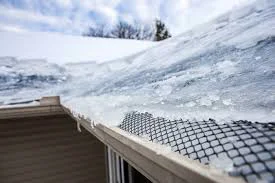
When attic heat melts snow on the upper roof, meltwater flows to cold eaves and refreezes into an ice dam. Water pools behind the dam and seeps under shingles. Englewood's 1940s through 1970s homes in South Broadway Heights, Baker Park, Wolff Place, and Old Orchard are at highest risk. Many have minimal insulation (R-19 or less) and inadequate ventilation. The U.S. Department of Energy identifies proper insulation and ventilation as the primary defenses against ice dam formation.
Why Older Englewood Homes Sustain More Storm Damage
| Vulnerability | Older Englewood Homes (1940s-1970s) | Modern Construction |
|---|---|---|
| Shingle Quality | Standard 3-tab, Class 1-2 | Class 4 impact-resistant |
| Underlayment | 15-lb felt or deteriorated original | Synthetic with ice barrier at eaves |
| Ventilation | Gable vents only, below standard | Balanced ridge + soffit system |
| Insulation | R-11 to R-19 | R-49 per current code |
| Ice Dam Risk | High (heat loss + low ventilation) | Low (proper insulation + airflow) |
| Drip Edge | Often absent | Required on all eaves and rakes |
Do not wait for a leak to tell you about storm damage.
Call (720) 702-1572 or visit our Englewood service page to schedule your free inspection.
Contact us by phone, email, or through our website.
What to Do After a Storm Hits Your Englewood Home
Step 1: Document Damage from the Ground
Walk your entire property. Photograph shingles on the ground, dented gutters, damaged siding, dents on cars and AC units. Take wide shots and close-ups. Check interior ceilings and upper walls for water stains, especially below roof penetrations and at exterior wall junctions. Note the date, time, and your observations. Do not climb onto your roof.
Step 2: Call a Licensed Englewood Contractor
Contact Mighty Dog Roofing of Downtown Denver at (720) 702-1572. We perform a thorough assessment using material-specific techniques, photograph all damage with GPS-stamped images, and provide a written report connecting damage to the specific storm event. This documentation forms the foundation of your insurance claim.
Step 3: File Your Insurance Claim
Contact your insurer with the storm date, your damage observations, and the professional inspection report. Note your claim number. The Colorado Division of Insurance provides resources for homeowners filing weather-related claims. File promptly. Most policies require filing within one year, and some have shorter windows.
Step 4: Meet the Adjuster with Your Contractor
We meet adjusters at your Englewood property to ensure all damage is identified. Adjusters sometimes miss damage on slopes they do not closely inspect, overlook flashing and gutter damage, or underestimate the scope of needed work. On two-layer Englewood roofs, adjusters need to account for the additional tear-off cost. Having a knowledgeable contractor present ensures accurate documentation and fair claim valuation.
Step 5: Supplemental Claims and Beginning Repairs
Once the initial claim is approved, we review the scope and identify supplemental items the adjuster missed. Supplemental claims address hidden damage discovered during tear-off, flashing problems not visible from the surface, and gutter or soffit damage not included in the initial estimate. Once the final scope is approved, work begins. For full replacements, visit our roof replacement page. Schedule a free inspection at any time.
Insurance Considerations for Englewood Homeowners
Understand Your Deductible Before Storm Season
Many Colorado policies use percentage-based deductibles for wind and hail. On a $650,000 Englewood home, a two percent deductible means $13,000 out of pocket. On a $500,000 home, the deductible is $10,000. Review your policy each spring so you know your exposure. Compare policies during renewal to find the best balance of premium and deductible for your situation.
Two-Layer Homes and Insurance Claims
If your Englewood home already has two roofing layers and sustains storm damage requiring replacement, the tear-off cost is higher because both layers must be removed per Englewood code. Your claim should reflect this additional work. Make sure your contractor documents the number of existing layers during the initial inspection. Some adjusters scope based on one-layer removal. The supplemental claim process addresses the difference.
Avoid Storm Chasers in Englewood
The City of Englewood requires contractors to be licensed and to file permits through the iMS Solution portal. After hail events, out-of-state contractors target Englewood's dense residential neighborhoods. They knock on doors within hours of a storm, offer same-day inspections, and pressure homeowners to sign contracts. They skip permits, use substandard techniques, and leave the state before problems surface. Verify licensing, insurance, and written warranties before signing. Ask for Englewood project references. Mighty Dog Roofing of Downtown Denver is licensed, insured, and local. We serve Englewood year-round and stand behind our work.
Seasonal Storm Preparation for Englewood Homes
Pre-Season (March through April)
Schedule a professional inspection before hail season. Document your roof's condition with photographs. Clean gutters and downspouts. Check flashing at all penetrations. This pre-season documentation proves your roof's condition before a storm and strengthens any future claim.
Storm Season (May through September)
After every significant storm, walk your property and photograph ground-level indicators. Schedule a professional inspection if you see dented gutters or AC units. Do not wait until you see a leak. By the time water reaches interior ceilings, the underlying damage is extensive.
Pre-Winter (October through November)
Clean gutters. Trim branches within six feet of the roof. Check attic insulation and ventilation. Address any storm damage from the summer season before winter freeze-thaw cycles compound the problems.
Building a Long-Term Storm Protection Strategy
Upgrade When You Replace
If storm damage triggers a replacement, upgrade to Class 4 impact-resistant shingles. Insurance discounts of 15 to 28 percent offset the cost difference. See our residential roofing page for material options. Hail resistance is rated under UL 2218 standards.
Fix Ventilation and Insulation to Stop Ice Dams
Upgrading insulation to the EPA ENERGY STAR recommended R-49 and adding proper ventilation eliminates the conditions that create ice dams. On Englewood's older homes, this investment prevents recurring winter damage and lowers energy costs year-round.
Schedule Annual Inspections
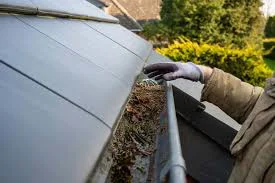
An annual professional inspection in late March (before hail season) and late October (before winter) catches small problems before they become expensive failures. Maintain documentation of your roof's condition for insurance purposes. Keep your gutter system clean with spring and fall maintenance.
Frequently Asked Questions: Storm Damage in Englewood, CO
How do I know if my Englewood roof has hail damage?
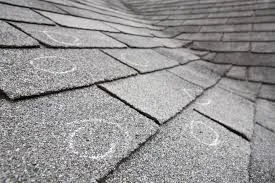
Look for dented gutters, damaged AC units, and granules in downspouts. On the roof, hail creates round marks, dark spots, and soft areas. A professional inspection within 48 hours provides the best documentation.
What should I do immediately after a storm?
Document damage with ground-level photos. Do not climb on your roof. Call a licensed contractor. File your claim promptly. Have your contractor present when the adjuster visits.
Why are older Englewood homes more vulnerable?
Homes from the 1940s through 1970s have standard-grade shingles, minimal ventilation, low insulation, and original flashing. Each deficiency increases vulnerability to hail, wind, and ice dam damage.
How long do I have to file a claim?
Most Colorado policies require filing within one year. Some have shorter windows. File as soon as possible. Professional documentation strengthens your claim.
Why should I avoid storm chasers?
Storm chasers skip Englewood's iMS permit portal, use substandard work, and leave before problems surface. Always verify the contractor is licensed, insured, and pulling permits.
Protect your Englewood home before the next storm. Get your free inspection today.
Call Mighty Dog Roofing of Downtown Denver at (720) 702-1572
Visit mightydogroofing.com
Reach us by phone, email, or through our online contact form. We are here to help.
Englewood's dense residential neighborhoods and older housing stock face Front Range storms every year. The homeowners who fare best inspect regularly, maintain their systems, and work with a trusted local contractor. Contact Mighty Dog Roofing of Downtown Denver today. We serve all 40 Englewood neighborhoods. Your roof is our priority.