
A roof upgrade goes beyond standard replacement. It means choosing better materials, improving ventilation, adding insulation, and enhancing protective features so your roof outlasts and outperforms what was there before. Englewood's compact city of 35,000 residents contains 40 neighborhoods with housing from the early 1900s through the 2020s. Many older homes were built with materials and ventilation well below current standards. The right upgrades deliver measurable returns: better storm performance, longer material life, reduced insurance premiums, and lower energy bills.
.jpg.webp)
Thinking about upgrading your Englewood roof?
Call Mighty Dog Roofing of Downtown Denver at (720) 702-1572 for a free consultation.
Visit our Englewood service page or reach out online.
Why Englewood's Older Homes Benefit Most from Roof Upgrades
Englewood sits at 5,330 feet in Arapahoe County. The city is bordered by Denver on three sides and Sheridan to the west. Roofs here face the same Front Range threats as the rest of the metro: hail, intense UV at altitude, freeze-thaw cycles, and thunderstorm winds. The National Weather Service in Boulder tracks these events. Colorado experienced record-breaking hail in 2023 and the May 2024 storm caused $1.9 billion in metro-wide damage.
Englewood's housing stock amplifies the case for upgrades. Homes in South Broadway Heights, Cushing Park, and Wolff Place date to the 1930s and 1940s. Baker Park, Bates-Logan Park, and Maddox feature 1950s and 1960s construction. These homes were built with minimal attic insulation, limited ventilation, standard-grade shingles, and felt underlayment. Modern upgrades address every weakness the original construction left behind.
Standard Re-Roof vs. Full Upgrade
| Component | Standard Re-Roof | Full Upgrade |
|---|---|---|
| Shingles | Standard architectural | Class 4 impact-resistant |
| Underlayment | 15-lb felt (code minimum) | Synthetic underlayment |
| Ventilation | Reuse existing | Continuous ridge + soffit with baffles |
| Insulation | Not addressed | Upgraded to R-49 |
| Ice and Water Shield | Eaves only (24" past wall) | Eaves, valleys, all penetrations |
| Drip Edge | Code minimum | Upgraded profile on all eaves and rakes |
| Gutters | Reuse existing | 6-inch with guards |
| Insurance Impact | No change | 15-28% premium reduction |
Upgrade to Class 4 Impact-Resistant Shingles
The UL 2218 impact test rates Class 4 shingles at the highest hail resistance level. Arapahoe County, where Englewood is located, faces recurring hail events along the Front Range. Colorado insurers offer premium discounts of 15 to 28 percent for verified Class 4 installations. The Colorado Division of Insurance provides information on carriers offering these discounts. The price difference over standard shingles runs $2,000 to $4,000 on a typical Englewood home. Payback through insurance savings takes five to ten years.
Ventilation Upgrades for Englewood's Mid-Century Homes
The Ventilation Problem in Older Englewood Homes
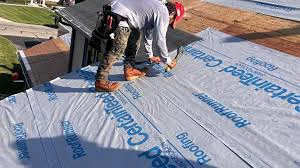
Homes built in the 1940s through 1970s often have inadequate ventilation. Gable vents alone, or a few mushroom vents, do not move enough air. An unventilated attic in Englewood reaches 150 degrees or more on summer afternoons. This bakes shingles from below, accelerating aging. In winter, warm attic air melts snow on the upper roof, and meltwater refreezes at cold eaves to form ice dams. The U.S. Department of Energy recommends both adequate ventilation and air sealing for the greatest benefit.
Recommended Ventilation Solutions
The target is one square foot of net free vent area per 150 square feet of attic floor space, balanced between soffit intake and ridge exhaust. Continuous ridge vents paired with soffit strips and rafter baffles create consistent airflow. The cost adds $500 to $1,500 to a roof replacement with payback through longer shingle life, fewer ice dams, and lower cooling bills.
Want to know which upgrades make sense for your Englewood home?
Call (720) 702-1572 or visit our Englewood service page for a free assessment.
We are available by phone, email, and through our online contact form.
Insulation Upgrades During Roof Replacement
The EPA ENERGY STAR program recommends R-49 for Englewood's Climate Zone 5. Many older homes have R-19 or less. With the deck exposed during replacement, adding insulation is efficient and cost-effective. The cost runs $1,500 to $3,000 with energy savings of $200 to $500 per year. Payback takes three to eight years. Comfort improvements are immediate: more consistent temperatures upstairs, less HVAC cycling, and quieter interiors.
Air sealing should happen at the same time as insulation. Common leak points in Englewood's older homes include around recessed lights, at plumbing and electrical penetrations, along top plates, and at attic hatches. Sealing these gaps before adding insulation maximizes the thermal benefit of every dollar spent.
Synthetic Underlayment and Extended Ice Shield
Standard 15-pound felt meets Englewood's code minimum. Synthetic underlayment costs $300 to $700 more and outperforms felt: it resists tearing, sheds water better during construction, and handles UV exposure during delays. On Englewood homes with slopes between 2:12 and 4:12, where the code requires 19-inch laps, synthetic provides better protection during the exposed phase.
Extending ice and water shield beyond the code-minimum 24 inches past the wall line to cover valleys, skylights, and wall transitions protects Englewood's most vulnerable roof points. Our free roof inspection identifies which areas would benefit most from extended coverage.
Drip Edge Upgrade
Englewood code now requires drip edge flashing on all eaves and rakes. Many older Englewood homes were built without drip edge. Without it, water runs directly off the shingle edge onto the fascia board, causing rot and paint failure over time. Adding proper drip edge during a roof replacement is inexpensive and protects the fascia, soffit, and gutter attachments. On homes with new gutter systems, drip edge directs water into the gutter rather than behind it.
Englewood Permit Requirements for Upgrades
Any upgrade that involves work exceeding 100 square feet requires a re-roofing permit filed through the City of Englewood iMS Solution portal. A final inspection is required with a ladder set. Contractors must be licensed in Englewood. The city adopted the 2018 International Codes effective January 2021. Mighty Dog Roofing handles all permit filing and inspection coordination.
Gutter System Upgrades
Many Englewood homes have original five-inch gutters that struggle during summer downpours. Upgrading to six-inch gutters with oversized downspouts prevents overflow and foundation exposure. Gutter guards reduce debris from the mature tree canopies common throughout Englewood's established neighborhoods. Homes near the South Platte River greenway and along the Mary Carter Greenway Trail accumulate cottonwood and elm debris throughout spring and fall. On Englewood's older homes where foundation drainage is already a concern, upgraded gutters with properly directed downspouts protect the foundation investment. See our gutter repair and installation page for options.
Cool Roof Products at Altitude
At 5,330 feet, solar radiation is roughly 25 percent more intense than at sea level. Reflective shingles reduce attic temperatures by 20 to 30 degrees in summer. Products certified by the Cool Roof Rating Council publish independently tested reflectance values. On Englewood homes with south-facing and west-facing slopes, reflective products lower cooling loads from May through September.
Understanding the ROI Timeline for Englewood Roof Upgrades
Class 4 Shingle Upgrade
$2,000 to $4,000 more than standard. Insurance discount of 15 to 28 percent. On a $2,000 annual premium with 20 percent discount: $400 per year saved. Payback in five to ten years. Every year after is pure savings.
Ventilation Upgrade
$500 to $1,500 added cost. Extends shingle life by three to five years. A three-year extension on a $10,000 roof saves $3,000 in deferred replacement. Summer cooling savings add $100 to $300 per year.
Insulation Upgrade
$1,500 to $3,000 from R-19 to R-49. Energy savings of $200 to $500 per year. Payback in three to eight years. Comfort improvements immediate.
Englewood Neighborhoods Where Upgrades Deliver the Most Value
South Broadway Heights, Cushing Park, and Wolff Place (1930s-1940s homes) benefit from ventilation, insulation, and Class 4 upgrades addressing decades of accumulated performance gaps. Baker Park, Bates-Logan Park, and Maddox (1950s-1960s) benefit from ventilation and ice shield upgrades for their low-pitch ranch roofs. Cherry Creek Vista and Fort Logan Northgate benefit from Class 4 shingles and gutter upgrades. Newer areas near CityCenter Englewood benefit from upgrading builder-grade materials to premium products. Our residential roofing page covers full details.
Frequently Asked Questions: Roof Upgrades in Englewood, CO
Are Class 4 shingles worth the extra cost in Englewood?
Yes. The $2,000 to $4,000 upgrade pays back in five to ten years through insurance discounts of 15 to 28 percent. After a storm, your roof stays intact while standard shingle roofs sustain damage.
Why is ventilation so important for older Englewood homes?
Homes from the 1940s through 1970s have inadequate ventilation. Poor airflow bakes shingles from below in summer and causes ice dams in winter. Proper ventilation extends roof life, prevents ice dams, and reduces energy costs.
What insulation level should my Englewood attic have?
R-49 per EPA ENERGY STAR for Climate Zone 5. Many older homes have R-19 or less. Upgrading during replacement costs $1,500 to $3,000 and saves $200 to $500 per year.
Should I upgrade to synthetic underlayment?
Synthetic costs $300 to $700 more and outperforms felt in every category. On homes with lower slopes (2:12 to 4:12), it provides better protection during construction.
What is the ROI timeline for Englewood roof upgrades?
Class 4 shingles: five to ten years. Ventilation: saves $3,000+ in deferred replacement. Insulation: $200 to $500 per year. Combined payback: three to six years.
Upgrade your Englewood roof. Lower your costs. Increase your home's value.
Call Mighty Dog Roofing of Downtown Denver at (720) 702-1572
Visit mightydogroofing.com for more information.
Contact us by phone, email, or through our online form.
A roof upgrade pays for itself on Englewood's older homes. Contact Mighty Dog Roofing of Downtown Denver today to find out which upgrades deliver the best return for your home.